Design risk-appropriate lighting along fences, yards and access points to deter, detect and recognize. We align with IES G-1 (security lighting principles), IES RP-8 (adjacent roadways) and EN 12464-2 (outdoor workplaces), and we size vertical/semicylindrical illuminance for faces, gates and camera corridors. Optics, mounting and spacing are optimized from photometry to deliver uniformity with low glare, while BUG/TM-15 controls spill to neighbors and skylines. Submit your site plan for a standards-based layout, calculation report and bill of materials—available in grid-powered LED or solar solutions.

Key Considerations for Perimeter & Security Lighting

01

Standards alignment

IES G-1 for security lighting, EN 12464-2 for outdoor work areas, and IES RP-8 where roadways interface.

02

Vertical light for recognition

Target vertical/semicylindrical illuminance at gates, turnstiles, doors and camera corridors to reveal faces and apparel.

03

Glare & spill control

Manage BUG/TM-15 and veiling luminance; shield at perimeters, upper stories and neighboring properties.

04

Power & resilience

Scheduling and occupancy sensing; for solar, battery autonomy sized for worst-case nights and restart after outages.

Design Principles for Perimeter & Security Lighting

01

Risk-based classes

Lighting targets scale with risk and task—deterrence, detection and recognition—rather than a single fixed lux value.

02

Optics & geometry

Type II/III for perimeter runs; Type IV/V or forward-throw for yards. Pole height and spacing are calculation outcomes.

03

CCTV integration

Provide consistent vertical light, limit blooming/flare into lenses, and coordinate CCT/CRI with camera WDR/IR.

04

Color & comfort

3000–4000 K typical; CRI ≥80 near gates and ID checks for color-critical recognition.

05

Controls & operations

Staggered dimming for off-hours, motion-based step-ups, health monitoring and fault alerts.

Solutions by Scenario

What You Get

  • EN 13201 / IES RP-8 compliant layout (luminance or illuminance/vertical/SC as applicable)
  • Photometric files (IES/LDT) + calculation reports
  • Pole/foundation drawings + single-line diagram
  • Bill of materials with options (LED vs Solar, pole heights, optics)
  • O&M and warranty checklist
  • Compliance crosswalk mapping local guidelines to EN 13201 / IES RP-8.
  • Lead time, logistics and installation method statement (optional).
  • Security-focused photometric package (horizontal + vertical/SC where required)
  • CCTV coordination notes (camera placement, lens FOV, tilt and expected vertical E)
  • Commissioning checklist with target set-points, dimming schedules and acceptance criteria

Solutions by Scenario

01

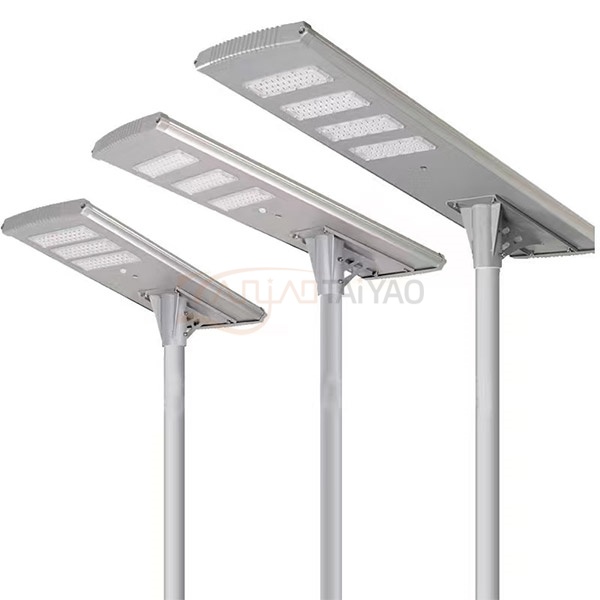
All-In-One Solar Street Light

Compact, plug-and-play solar lighting systems with integrated PV, Solar Battery, and controller. Designed for fast rollouts and traditional street lights replacement in housing estates, campuses and parks.

Learn More
02

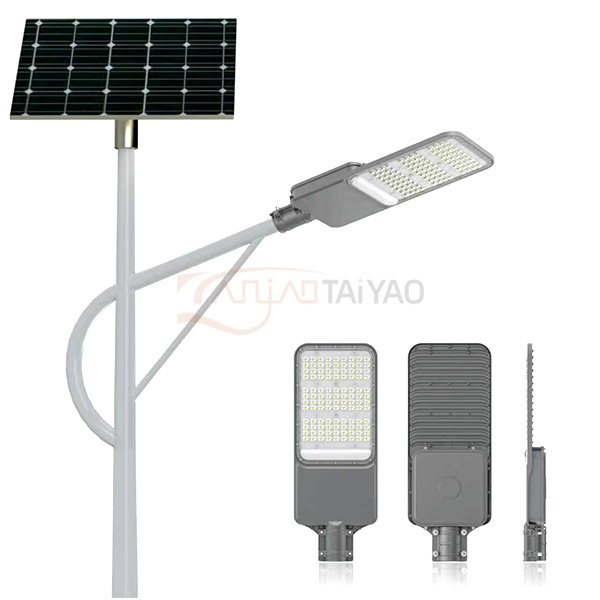
All-In-Two Solar Street Light

A flexible system for wider arrays and higher autonomy. Ideal where panel orientation is critical, these solar streetlights suit highways, coastal roads and parking lot upgrades, offering energy saving operation and easy maintenance.

Learn More
03

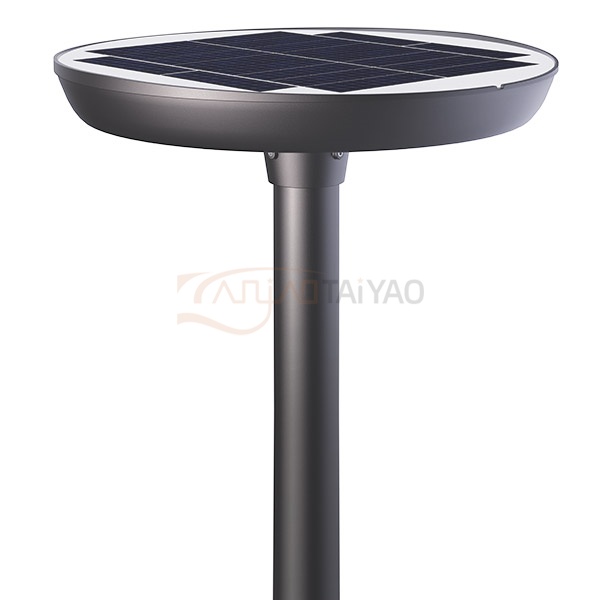
Decorative Solar Street Light

A flexible system for wider arrays and higher autonomy. Ideal where panel orientation is critical, these solar streetlights suit highways, coastal roads and parking lot upgrades.

Learn More
04

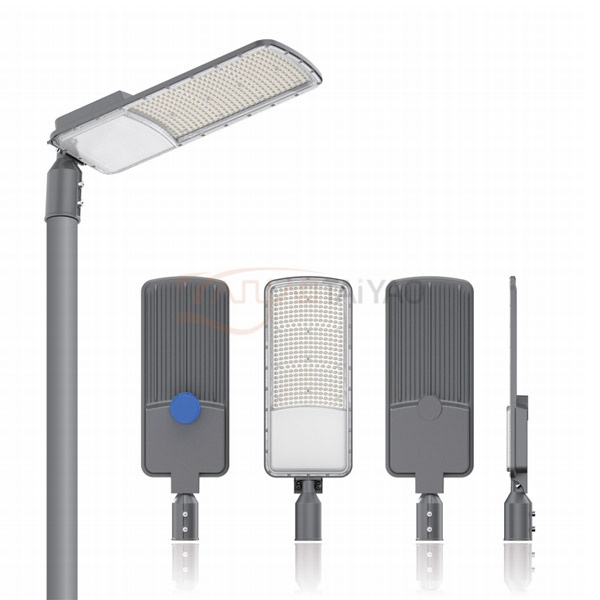
LED Street Light

Our LED street-lighting portfolio covers five models engineered for collector roads, local streets and large parking lots.

Learn More
05

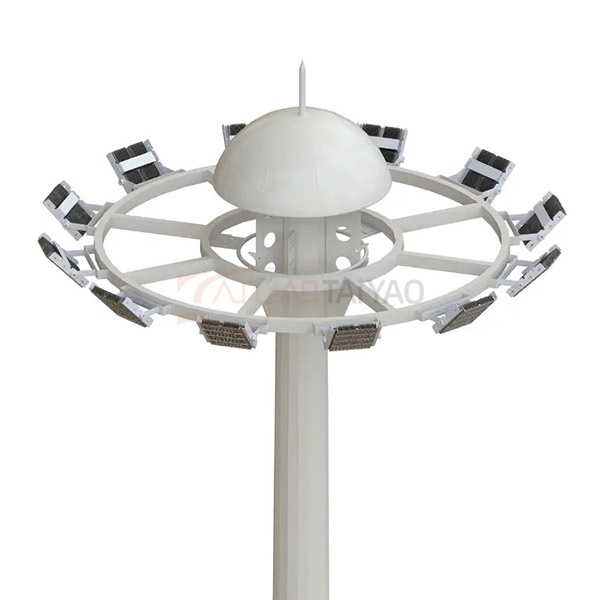
High Mast Light

Heavy-duty lighting for airports, ports, highways

Learn More
06

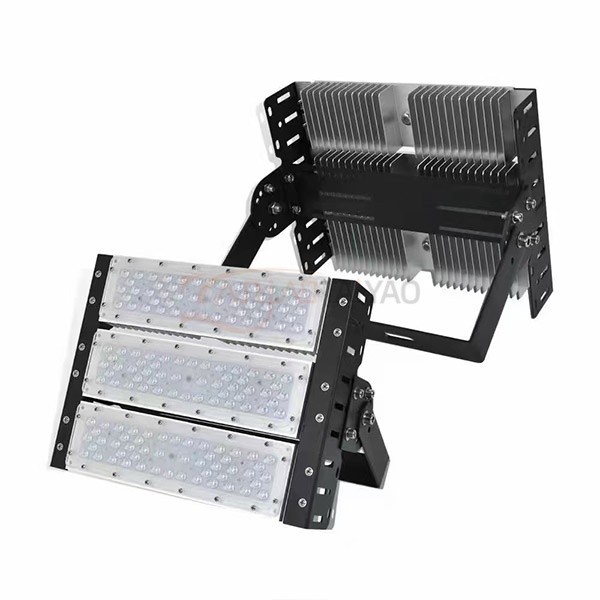
TY-TGD16 LED Flood Light

TY-TGD16 LED Flood Light brings scalable output and precise aiming to outdoor projects. Its modular, linkable design delivers up to 120 W per module with 8°/20°/40°/60°/90°/100° beam options, an adjustable mounting bracket, and a durable die-cast aluminum body.

Learn More
07

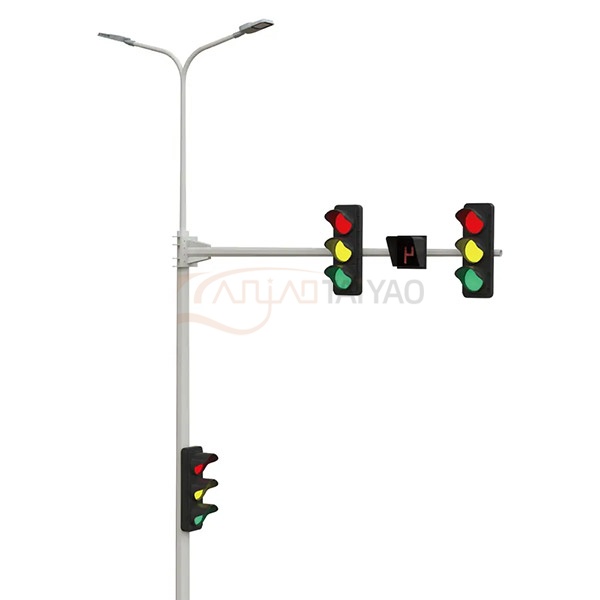
Traffic Light Pole

The Multi-Function Pole stands 10–12 m and consolidates lighting, cameras, and signage for urban corridors. Its durable steel construction supports long-term reliability and safety in smart-city deployments. 

Learn More
08

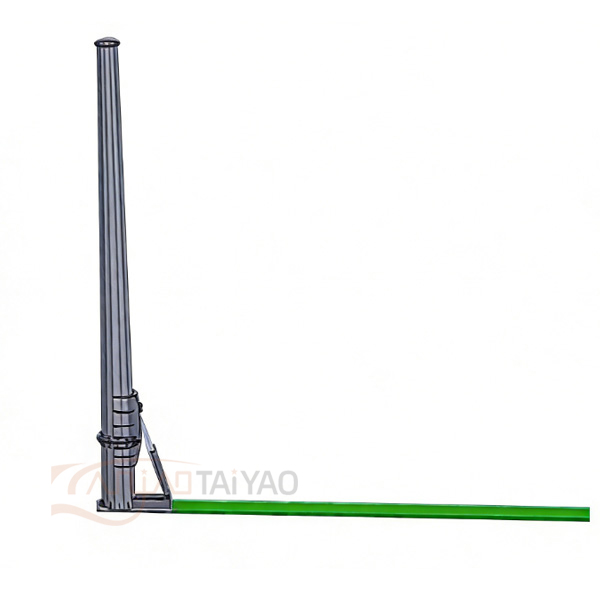
Dump-type hydraulic rod

The Multi-Function Pole stands 10–12 m and consolidates lighting, cameras, and signage for urban corridors. Its durable steel construction supports long-term reliability and safety in smart-city deployments. 

Learn More

General frequently asked questions

Yes. We customize PV size, LED engines, optics, poles, controllers, and batteries, plus logos and finishes.

With LiFePO₄ lithium battery packs (≈4,000 cycles) and premium LED lamp engines, system lifespan commonly exceeds 10 years with routine cleaning.

Depending on road class and mounting height, a 60W configuration typically covers 150–220 square meters at recommended uniformity.

Yes, solar street lights are independent of the grid, making them ideal for villages, islands and other remote areas.

In many corridors, our solar lighting systems match or exceed traditional street lights while lowering OPEX and environmental impact.

Up to 4,000 cycles with proper thermal management and charge profiles; field life typically 10+ years.

Yes, spec sheets, compliance matrices, lighting layouts, BoM, and manufacturer declarations are provided.

We calculate per pole height/arm length and site wind speeds; hot-dip galvanized poles are available.