Create safe, inviting park and recreation spaces aligned with EN 13201 (P/SC classes) and ANSI/IES RP-8. We use the illuminance method for pedestrian areas and add vertical or semicylindrical illuminance where facial recognition and perceived security are needed—entries, plazas, play areas and art pieces. Optics, mounting height and spacing are optimized from photometric files to deliver uniformity, low glare and controlled spill (BUG/TM-15), with comfortable 2700–3000 K options near residences and waterfronts. Choose grid-powered LED or solar solutions with adaptive dimming. Send your site plan and receive a standards-compliant preliminary layout, calculation report and bill of materials ready for procurement.

Key Considerations for Park & Recreation Lighting

01

Atmosphere and Comfort

Park and recreation lighting should not only provide illumination but also create a comfortable, pleasant atmosphere for relaxation and enjoyment.

02

Variety of Lighting Types

Utilize different types of lights, such as street lights, flood lights, garden lights, spotlights, landscape lights, lawn lights, and underground lights to cater to various areas within the park.

03

Lighting Selection Based on Landscape Features

hoose suitable lights according to specific landscape characteristics:
â‹… Roads and Squares: Use street lights for high illumination and warmth.
â‹… Gates, Sculptures, and Buildings: Employ flood lights for essential illumination.
â‹… Secondary Roads: Opt for garden lights with lower brightness and color temperature for a romantic ambiance.

04

Specialty Lighting

â‹… For areas like water fountains, tree projections, and riverside guardrails, use LED decorative lights to create color-changing effects.
â‹… Underground lamps can be used in squares and pathways to create subtle lighting.

05

Accentuating Natural Features

Use lawn lamps to enhance flower beds, lawns, buildings, and low bushes, adding decorative lighting to enrich the environment.

06

Solar Lighting Solutions

Solar streetlights and landscape lights offer unique aesthetics with energy-saving benefits. These lights adjust brightness based on ambient light conditions, promoting energy efficiency and environmental protection.

07

Enhanced Tourist Experience

The lighting should provide a bright, comfortable environment that enhances the sightseeing experience for visitors.

Design Principles for Park & Recreation Lighting

01

Standards-led classes

P-class for paths and plazas; add SC/vertical metrics around entries, play areas and artworks for recognition.

02

Comfort & color

Utilize different types of lights, such as street lights, flood lights, garden lights, spotlights, landscape lights, lawn lights, and underground lights to cater to various areas within the park.

03

Spill control

Manage BUG ratings near residences and habitats; shield and backlight control along perimeters/waterfronts.

04

Mounting geometry

Bollards and low-height pedestrian poles for intimacy; taller post-tops for plazas/allees.

05

Energy & controls

Scheduled dimming/occupancy sensing; for solar, autonomy sized for worst-case nights.

Solutions by Scenario

What You Get

  • EN 13201 / IES RP-8 compliant layout (with vertical/SC metrics where applicable)
  • Photometric files (IES/LDT) + calculation reports
  • Pole/foundation drawings + wiring single-line
  • BOM with options (LED vs Solar, pole heights, optics, CCT)
  • O&M, warranty and acceptance checklist

Solutions by Scenario

01

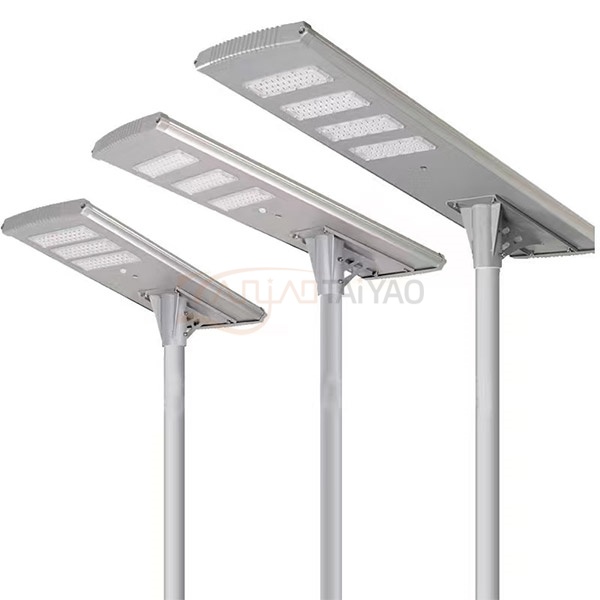
All-In-One Solar Street Light

Compact, plug-and-play solar lighting systems with integrated PV, Solar Battery, and controller. Designed for fast rollouts and traditional street lights replacement in housing estates, campuses and parks.

Learn More
02

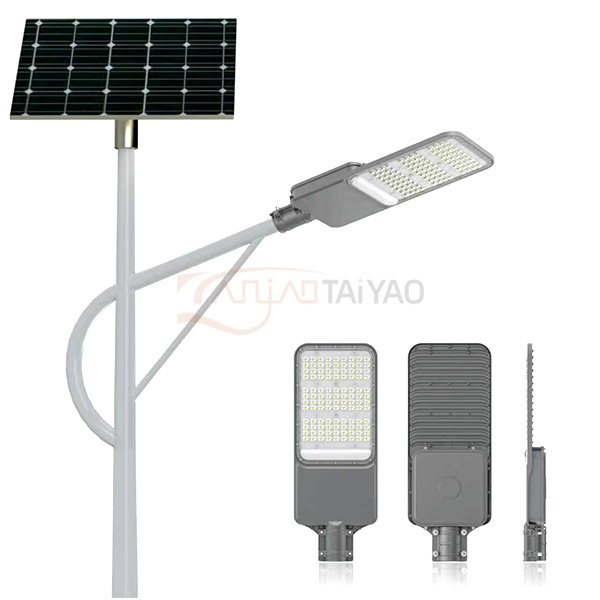
All-In-Two Solar Street Light

A flexible system for wider arrays and higher autonomy. Ideal where panel orientation is critical, these solar streetlights suit highways, coastal roads and parking lot upgrades, offering energy saving operation and easy maintenance.

Learn More
03

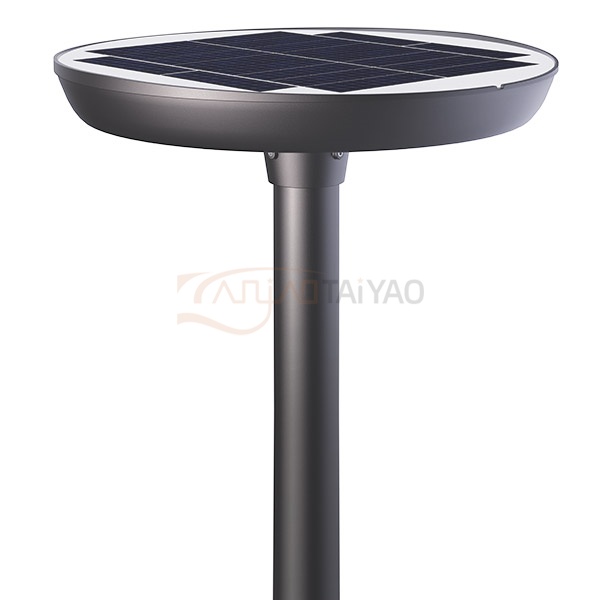
Decorative Solar Street Light

A flexible system for wider arrays and higher autonomy. Ideal where panel orientation is critical, these solar streetlights suit highways, coastal roads and parking lot upgrades.

Learn More
04

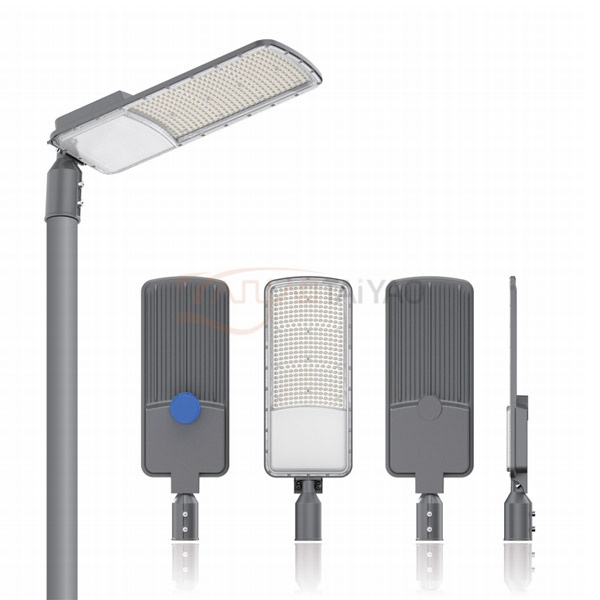
LED Street Light

Our LED street-lighting portfolio covers five models engineered for collector roads, local streets and large parking lots.

Learn More
05

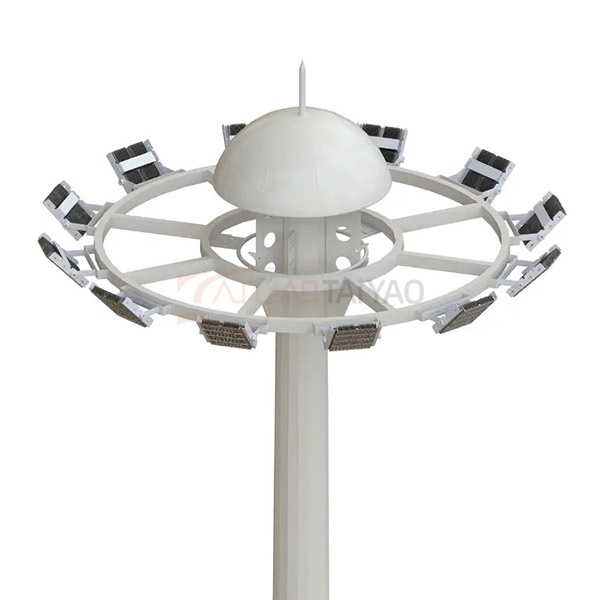
High Mast Light

Heavy-duty lighting for airports, ports, highways

Learn More
06

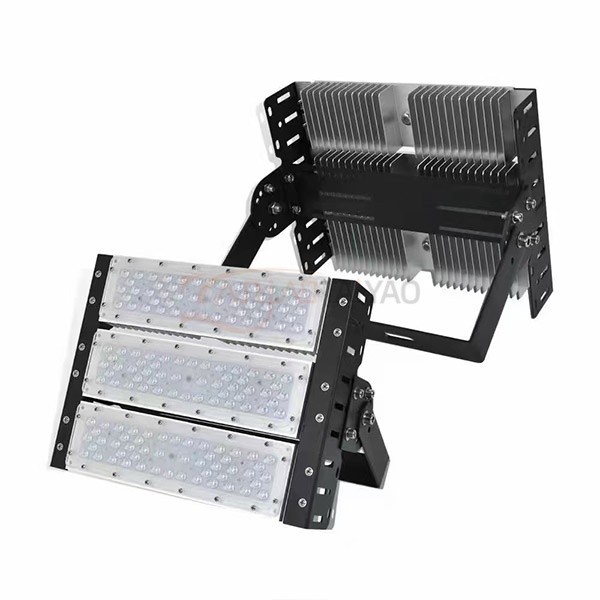
TY-TGD16 LED Flood Light

TY-TGD16 LED Flood Light brings scalable output and precise aiming to outdoor projects. Its modular, linkable design delivers up to 120 W per module with 8°/20°/40°/60°/90°/100° beam options, an adjustable mounting bracket, and a durable die-cast aluminum body.

Learn More
07

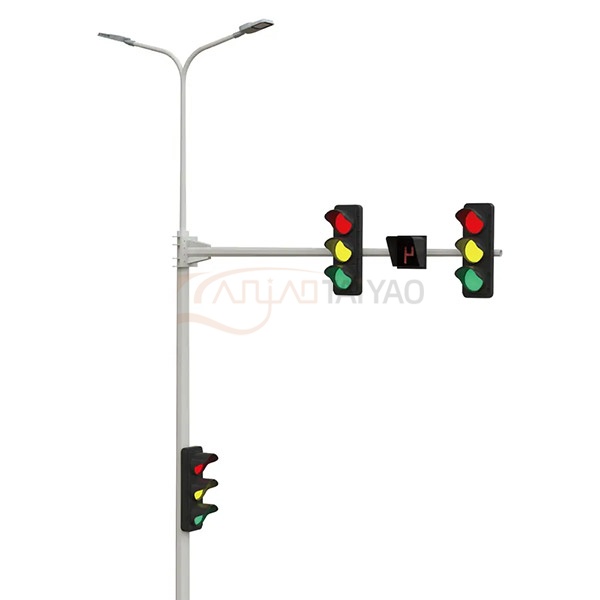
Traffic Light Pole

The Multi-Function Pole stands 10–12 m and consolidates lighting, cameras, and signage for urban corridors. Its durable steel construction supports long-term reliability and safety in smart-city deployments. 

Learn More
08

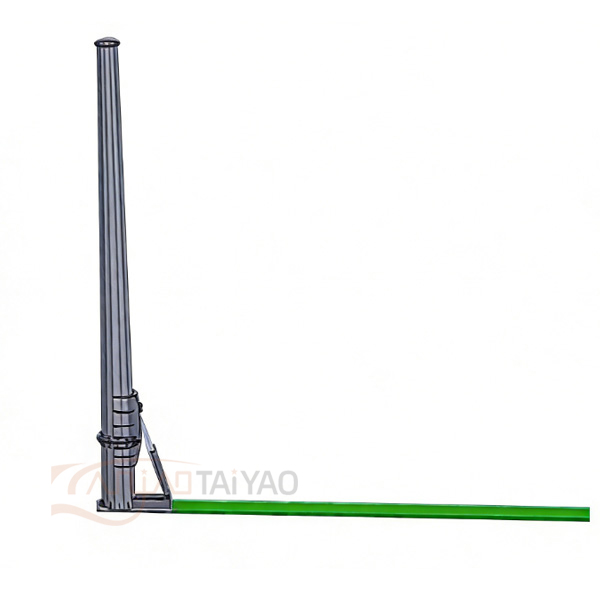
Dump-type hydraulic rod

The Multi-Function Pole stands 10–12 m and consolidates lighting, cameras, and signage for urban corridors. Its durable steel construction supports long-term reliability and safety in smart-city deployments. 

Learn More

General frequently asked questions

Yes. We customize PV size, LED engines, optics, poles, controllers, and batteries, plus logos and finishes.

With LiFePO₄ lithium battery packs (≈4,000 cycles) and premium LED lamp engines, system lifespan commonly exceeds 10 years with routine cleaning.

Depending on road class and mounting height, a 60W configuration typically covers 150–220 square meters at recommended uniformity.

Yes, solar street lights are independent of the grid, making them ideal for villages, islands and other remote areas.

In many corridors, our solar lighting systems match or exceed traditional street lights while lowering OPEX and environmental impact.

Up to 4,000 cycles with proper thermal management and charge profiles; field life typically 10+ years.

Yes, spec sheets, compliance matrices, lighting layouts, BoM, and manufacturer declarations are provided.

We calculate per pole height/arm length and site wind speeds; hot-dip galvanized poles are available.